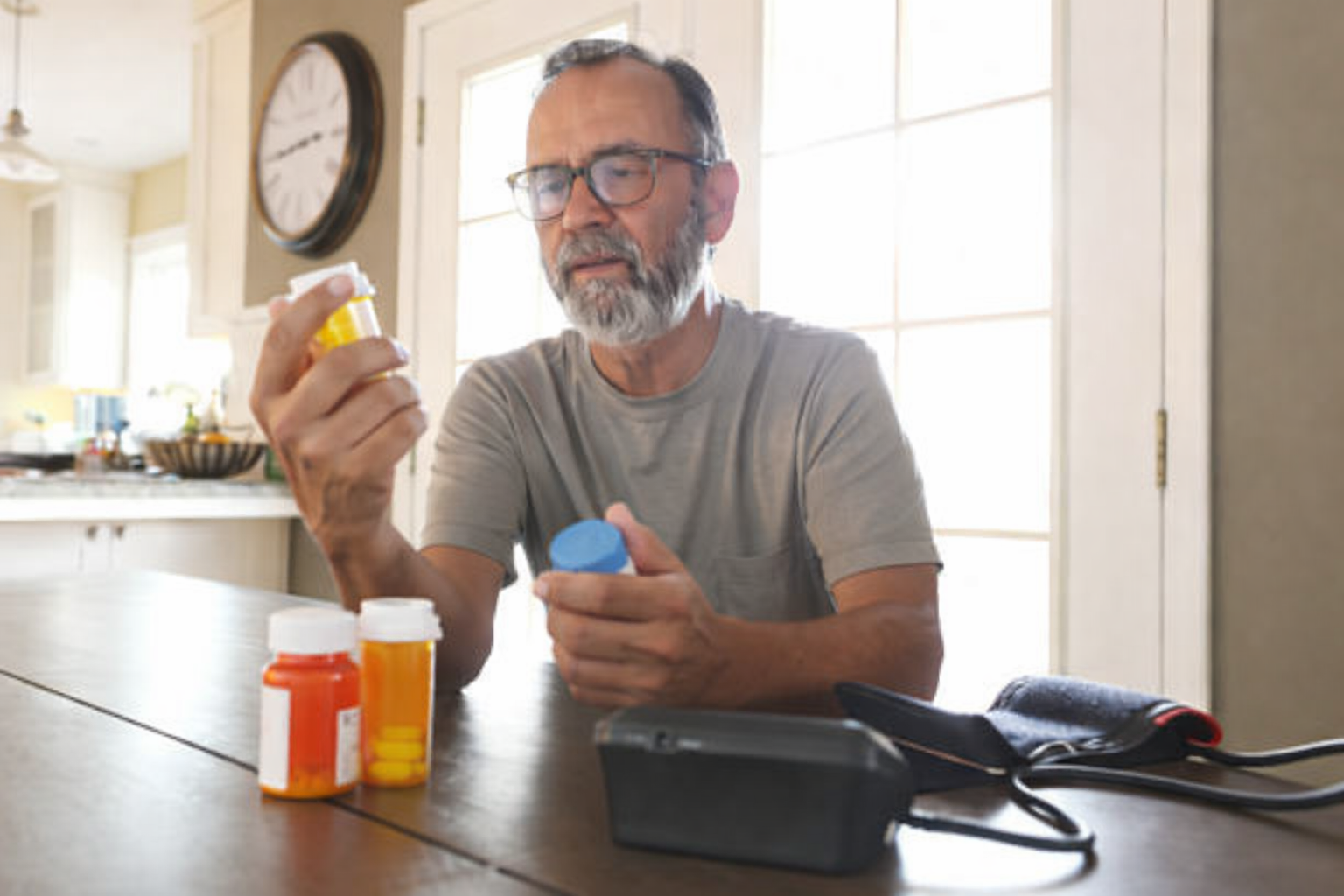
Living with a chronic health condition can make independent living feel more complex, both for individuals and for the family members who care about them.
Many people manage long-term conditions at home and continue to live full, independent lives. However, there is often an added layer of concern around what would happen if something changed suddenly or if help was needed and no one was immediately aware.
Solo Alert is designed to support that balance between independence and reassurance.
Chronic conditions where extra reassurance can help
People living with a wide range of ongoing health conditions may benefit from simple, non-intrusive check-in support, including:
– diabetes (Type 1 and Type 2)
– heart disease and cardiovascular conditions
– epilepsy and seizure disorders
– chronic obstructive pulmonary disease (COPD)
– cancer recovery and post-treatment care
– Parkinson’s disease
– multiple sclerosis (MS)
– stroke recovery
– arthritis and mobility-limiting conditions
– chronic pain conditions
– kidney disease
– neurological or degenerative conditions
Each of these conditions can vary in severity, but many involve periods where fatigue, mobility challenges, or sudden symptoms can occur without warning.
The challenge of living independently with a health condition
For many people, the goal is not just managing a condition, but continuing to live independently at home.
Common concerns include:
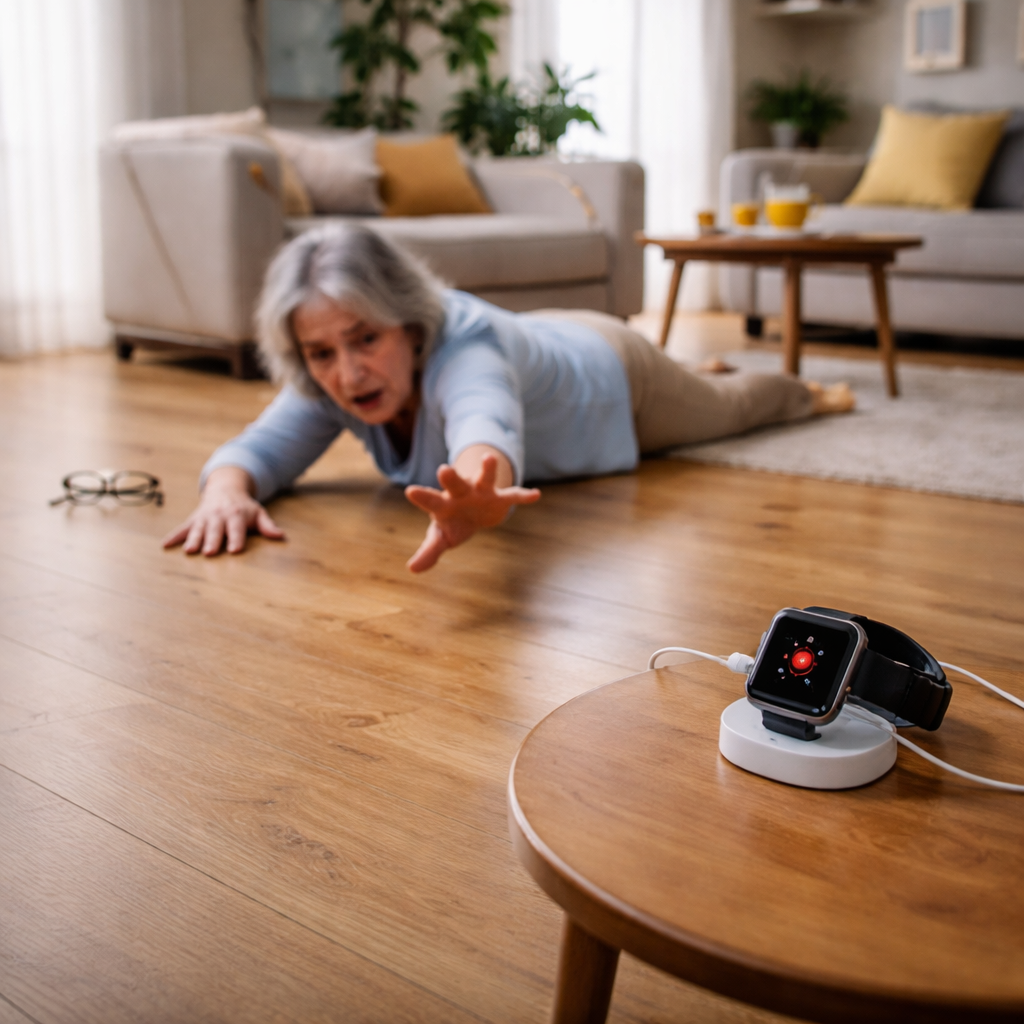
– what happens if I become unwell and cannot reach my phone or call for help
– how quickly someone would know if I needed assistance
– whether I am maintaining enough independence without being over-monitored
– how to reassure family members without feeling constantly checked on
A simple, non-medical approach to reassurance
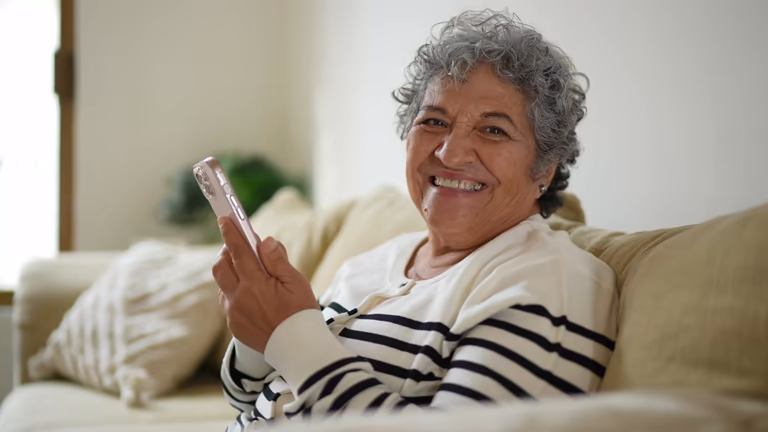
Solo Alert provides a simple check-in system designed for everyday life.
At times you choose, you confirm that you are okay as part of your normal routine. If you check in, nothing happens.
If you miss a check-in, your trusted contacts are notified and asked to check on you.
This creates a gentle safety layer without clinical monitoring or wearable devices.
Designed to support independence, not replace care
Solo Alert is not a medical device and does not replace professional healthcare or emergency services.
Instead, it is designed to support communication and reassurance between individuals and their trusted support network.
There is:
– no tracking
– no wearables
– no medical monitoring
– just simple check-ins built around daily life
Why families use it
For families supporting someone with a chronic condition, Solo Alert can help:
– reduce anxiety about living alone
– provide reassurance without intrusive check-ins
– create clarity if something is missed
– support independence while keeping trusted people informed
It allows support without constant oversight.
Living independently with confidence
Chronic conditions do not need to mean losing independence.
With the right support structure in place, many people continue to live safely and confidently in their own homes.
Solo Alert is designed to add a simple layer of reassurance — helping ensure that if something changes, someone will notice.
A simple way to stay supported while living independently
Solo Alert is a simple check-in app designed for people who live alone or anyone who wants reassurance that someone will notice if they don’t check in.
You choose your check-in times. If you check in, nothing happens. If you miss one, your trusted contacts are notified.
👉 Start your 60-day free trial now
👉 Download from the App Store
👉 Download from Google Play