If you are comparing medical alert systems and Solo Alert, you are likely trying to understand which approach best supports independent living.
Both are designed to provide reassurance, but they work in very different ways.
How medical alert systems work
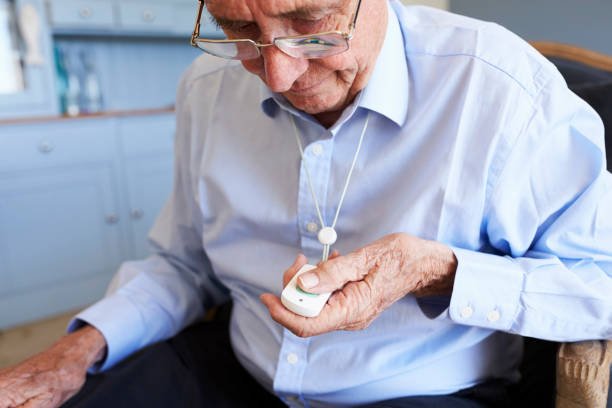
Medical alert systems typically include:
– wearable emergency buttons
– fall detection technology (in some devices)
– 24/7 monitoring centres
They are designed for immediate emergency response.
How Solo Alert works
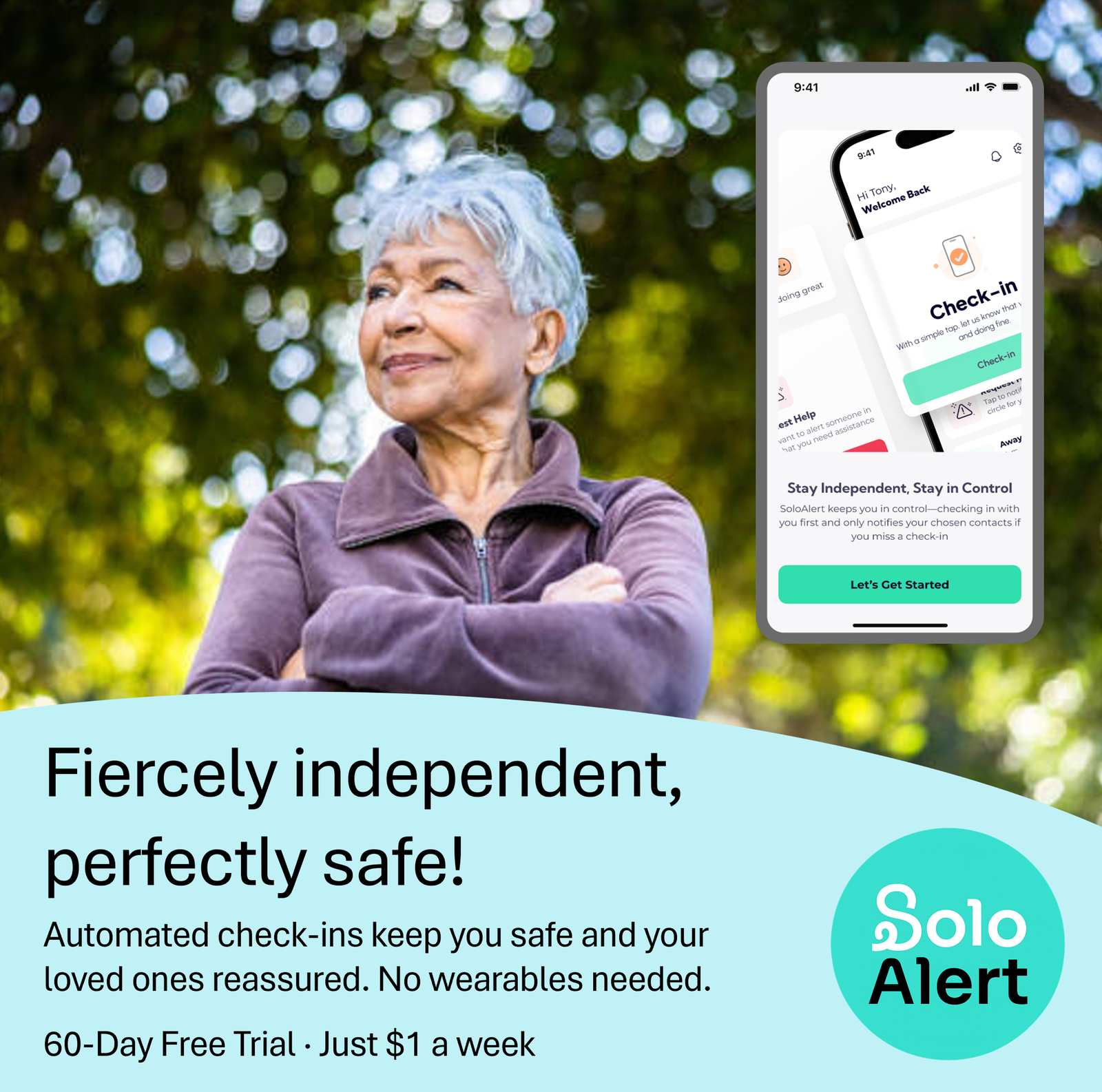
Solo Alert uses scheduled check-ins instead of emergency activation. You confirm you are okay at times you choose.
If you miss a check-in, your trusted contacts are notified and asked to check on you.
Key differences
Medical alert systems:
– focus on emergency response
– require wearable devices
– often include monitoring services
– can be very expensive
Solo Alert:
– focuses on routine check-ins
– does not require wearables
– is designed for everyday independence
– deliberately priced at $49 for a year, or $4.49 for a month so cost is no barrier – that’s less than $1 per week!
Which one is right?
Some people prefer medical alert systems for emergency response. Others prefer a simpler check-in approach that fits into daily life.
Some people use both for added reassurance.
A simple way to stay supported while living independently
Solo Alert is a simple check-in app designed for people who live alone or anyone who wants reassurance that someone will notice if they don’t check in.
You choose your check-in times. If you check in, nothing happens. If you miss one, your trusted contacts are notified.
Learn more
👉 60 day free trial
👉 Only $49 per year, or $4.49 per month — that’s less than $1 a week
👉 Find out more here: https://solo-alert.com
👉 Download from the App Store: https://apps.apple.com/au/app/solo-alert/id6747101888
👉 Android is coming soon — join the waitlist here: https://solo-alert.com/waitlist
#SoloAlert #SoloButNeverAlone #WhosGotYourBack #CheckInApp #StaySafe #IndependentLiving