If you are looking for a personal alarm alternative without a wearable device, you may be wanting a simpler way to stay safe or support someone living independently.
Traditional personal alarms often involve pendants, wristbands, or emergency buttons.
What is a personal alarm?
A personal alarm is a device designed to alert someone in an emergency. It is usually activated by pressing a button or triggering a fall detection system.
These devices rely on:
– being worn consistently
– being within reach during an emergency
– being charged and functioning correctly
Why people want alternatives
People often look for alternatives because they:
– do not want to wear a device
– prefer something less intrusive
– want a simpler system
– want reassurance without constant monitoring
A simpler alternative
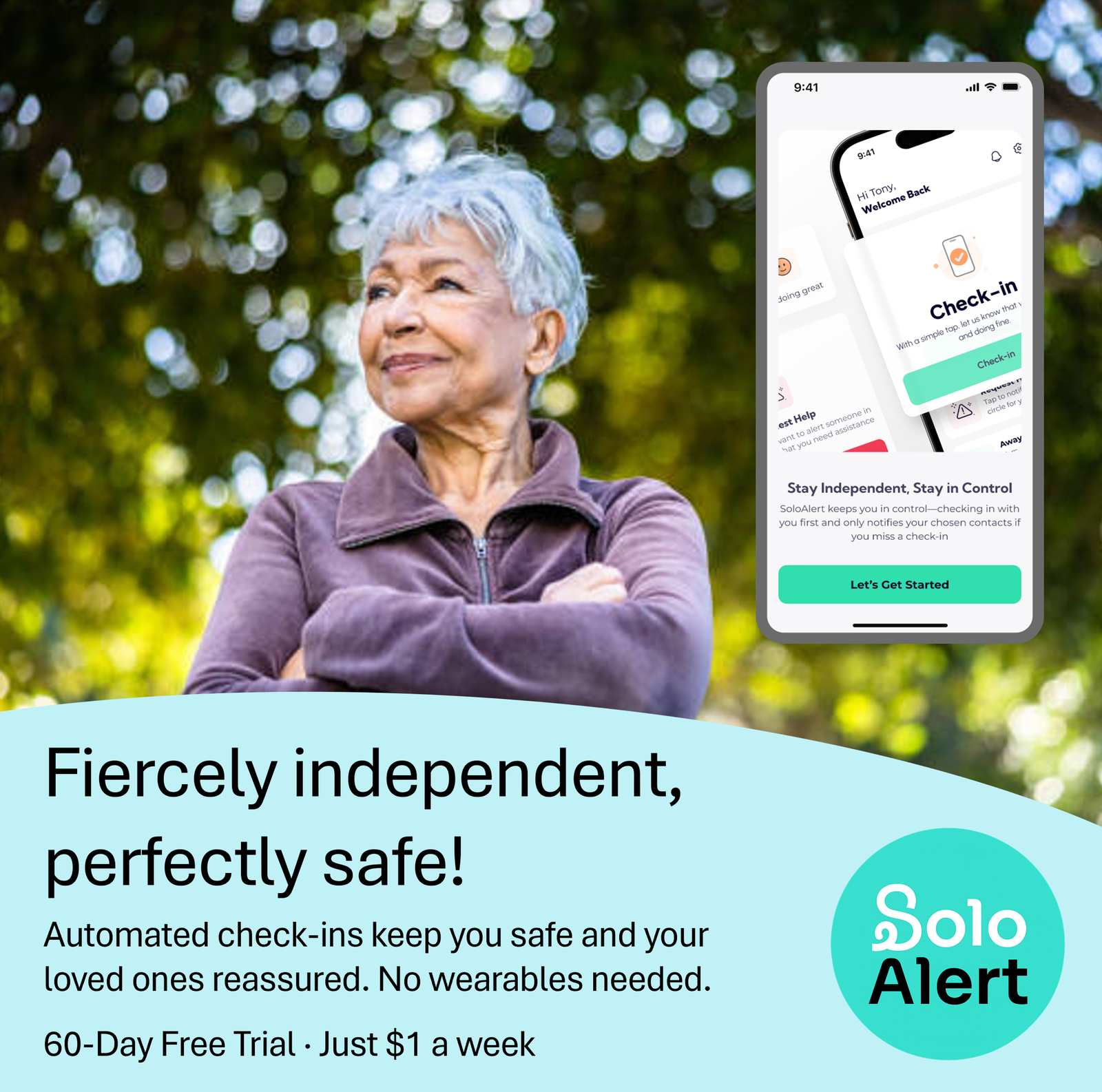
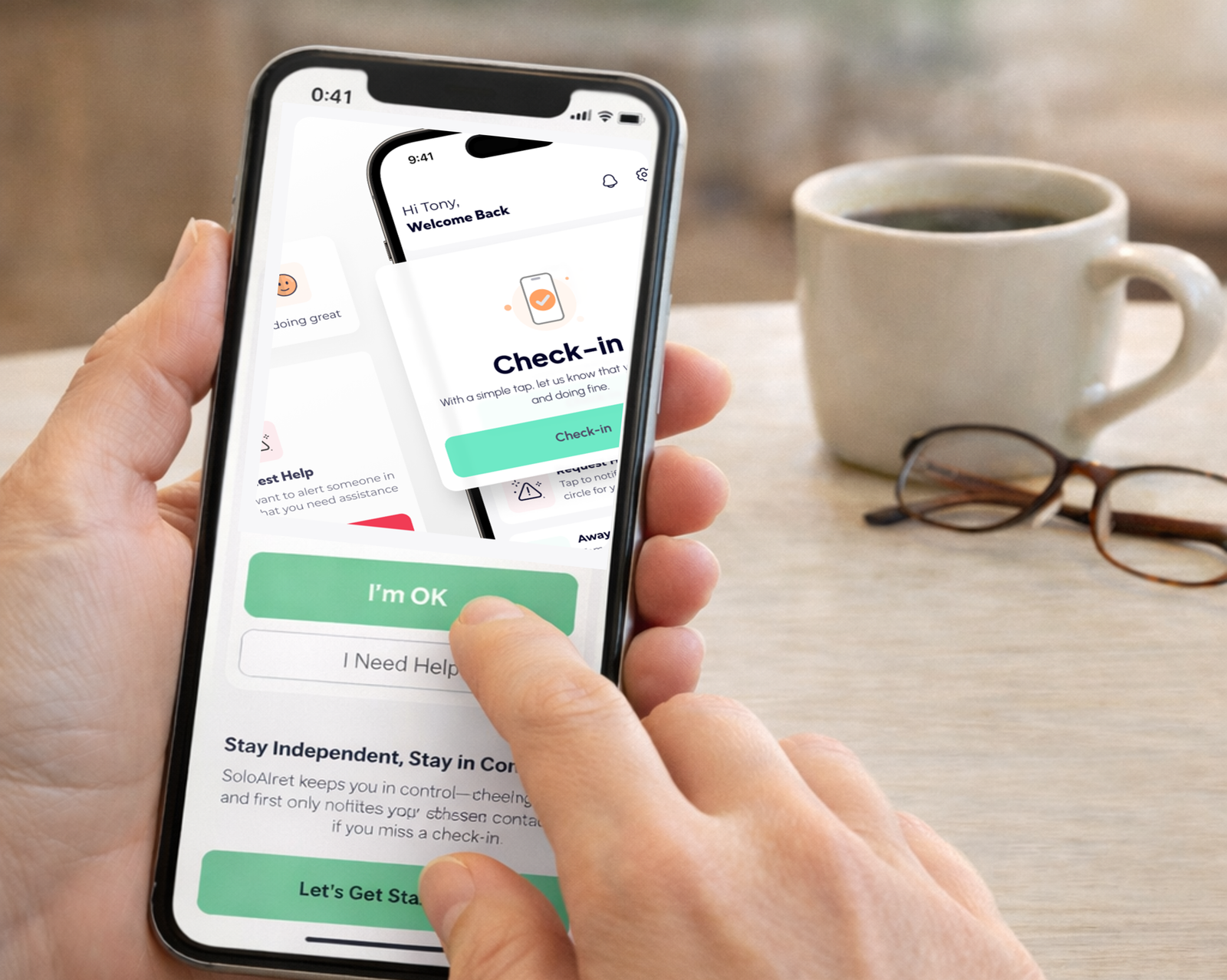
Solo Alert uses a different approach. You choose check-in times that fit your routine. At those times, you simply confirm you are okay.
If you check in, nothing happens. If you miss a check-in, your trusted contacts are notified and asked to check on you.
Personal alarms vs Solo Alert
Personal alarms rely on emergency activation. Solo Alert relies on routine check-ins.
Some people prefer wearable alarms. Others prefer a system that works quietly in the background as part of daily life.
A simple way to stay supported while living independently
Solo Alert is a simple check-in app designed for people who live alone or anyone who wants reassurance that someone will notice if they don’t check in.
You choose your check-in times. If you check in, nothing happens. If you miss one, your trusted contacts are notified.
👉 60 day free trial
👉 Only $49 per year, or $4.49 per month — that’s less than $1 a week
👉 Find out more here: https://solo-alert.com
👉 Download from the App Store: https://apps.apple.com/au/app/solo-alert/id6747101888
👉 Android is coming soon — join the waitlist here: https://solo-alert.com/waitlist
#SoloAlert #SoloButNeverAlone #WhosGotYourBack #CheckInApp #StaySafe #IndependentLiving