When someone you care about lives independently, the nature of connection changes.
For many families, this isn’t just about geography. It’s about a communication style where contact is frequent, emotionally close, and part of daily life. A quick message, a call, a check-in just to feel reassured.
That dynamic can work perfectly when people live nearby. But when life changes — study, work, migration, or simply growing independence — the rhythm of contact can shift in ways that feel unfamiliar.
Messages are missed. Time zones don’t align. Replies are delayed. And suddenly, what used to feel automatic now requires more thought, more waiting, and more uncertainty.
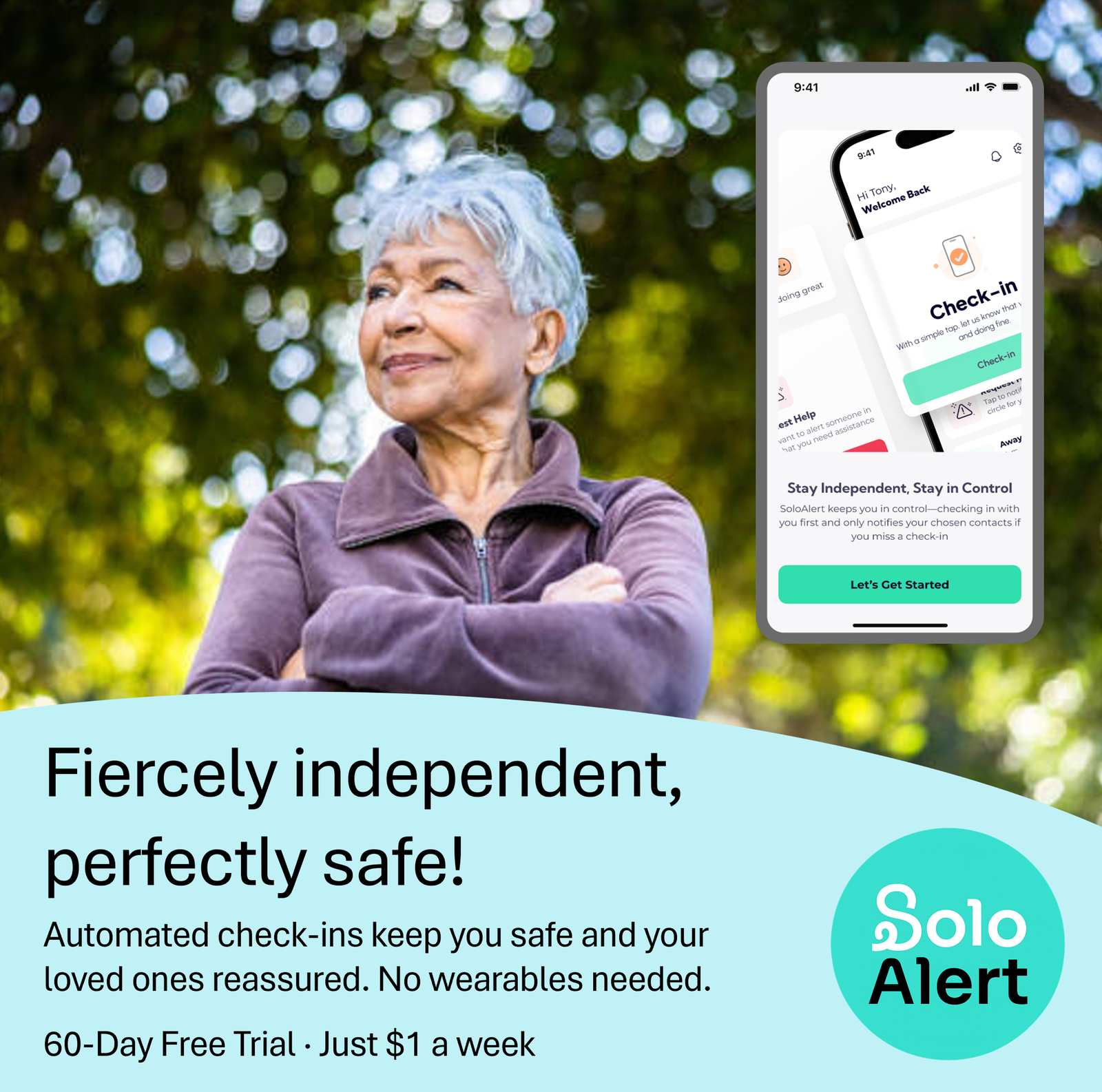
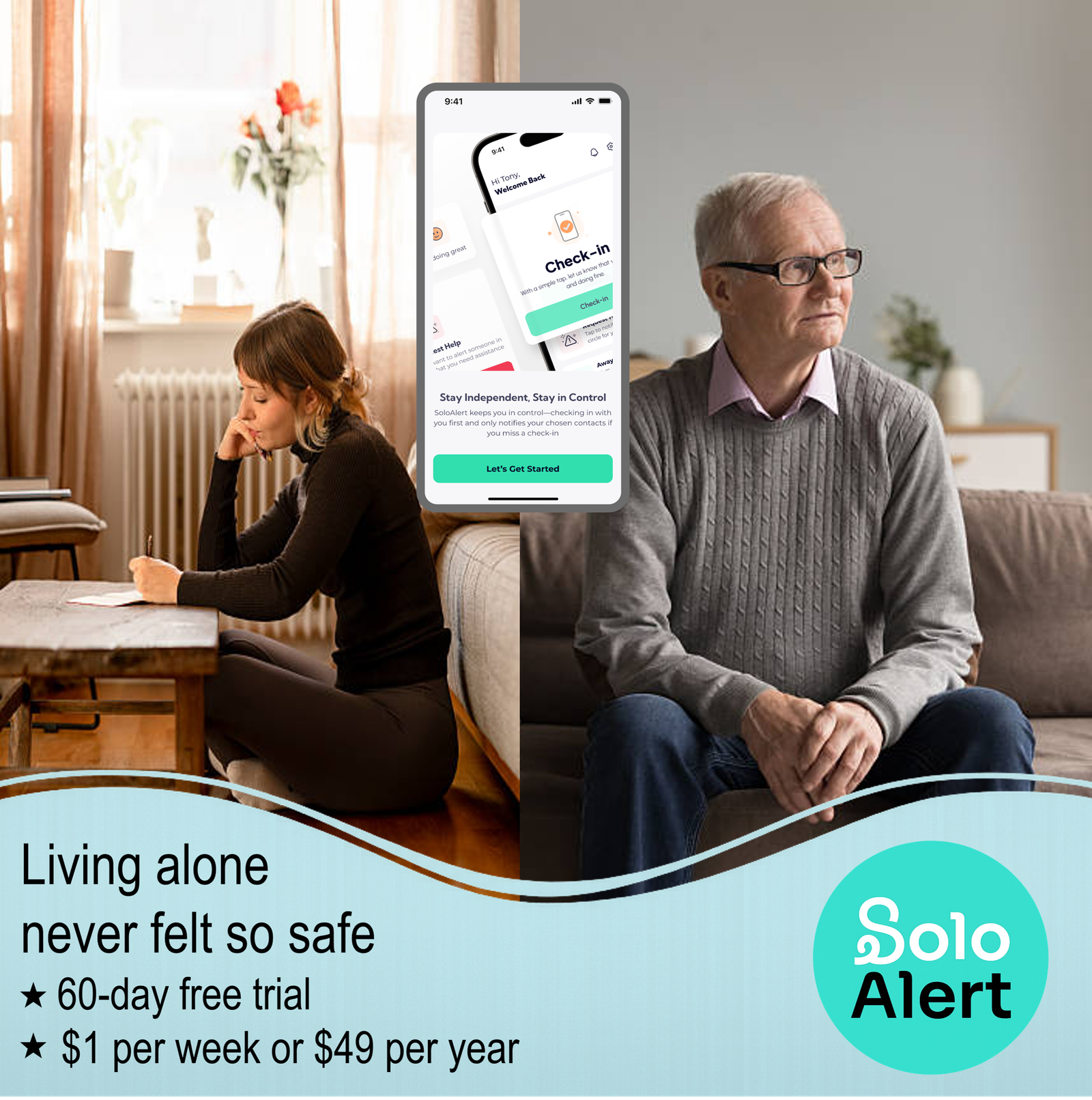
Solo Alert is designed for this exact space: independence without constant reassurance.
A shared pattern across families living apart
This situation isn’t limited to one type of family or one location. It often shows up in households where connection is naturally frequent and emotionally close.
It can include:
– Parents who are used to regular contact with their adult children
– Families separated by migration or relocation
– Parents and children living in different countries with time zone gaps
– International students living in Australia while staying closely connected to home
– Young adults living alone for the first time, while still closely linked to family
Different circumstances, but a similar dynamic: when communication pauses, it can create uncertainty that feels larger than the reality of everyday life.
When frequent connection meets independent living
For many parents, especially those who are highly involved in their children’s lives, regular check-ins are not about control. They are about care, habit, and reassurance.
When contact is consistent, everything feels clear. When it becomes inconsistent — even for normal reasons like exams, work, travel, or sleep — it can create worry that builds quietly in the background.
For adult children or students, particularly those living overseas, there can also be pressure on the other side: the feeling that they need to respond quickly or regularly just to keep everyone reassured.
Over time, this can create a loop:
– Parents check in more often to feel reassured
– Children feel pressure to respond more often
– Both sides feel a subtle sense of responsibility for the other’s worry
Not because anything is wrong — but because the system of connection hasn’t adapted to independence.
A different way for families living apart to stay connected
Solo Alert is designed to sit in that gap. It doesn’t increase communication. It doesn’t track behaviour. It doesn’t change independence.
Instead, it adds a simple structure: You choose your own check-in routine. If you check in, nothing happens. If you don’t, your trusted contacts are notified. That’s it.
No monitoring. No surveillance. No need for constant messaging across time zones. Just a quiet safeguard in the background.
Why distance changes how connection feels
When families are living apart, small gaps in communication can feel larger than they would in everyday proximity.
A missed message that would normally be harmless can feel different when it happens overnight, across continents, or during a busy period where responses are naturally delayed.
Solo Alert helps reduce that uncertainty by removing interpretation from silence. If everything is fine, nothing happens. If something is missed, the right people are informed.
It turns uncertainty into clarity without increasing pressure on either side of the relationship.
Who this is for
Solo Alert is often used by people in situations like:
– Families living apart across different countries
– Parents and adult children with strong day-to-day contact habits
– International students in Australia staying closely connected to home
– Young adults living independently for the first time
– Migrant families balancing independence and closeness across time zones
It is for relationships where care is already strong — and where distance simply changes how that care is expressed.
Independence and connection, working together
Independence doesn’t need to weaken family connection. And connection doesn’t need to create pressure.
The challenge is often not emotional distance — it’s structural distance. Different routines, different time zones, and different expectations around communication.
Solo Alert sits in that space between independence and reassurance, allowing life to continue normally while ensuring someone will always know if something isn’t right.
Learn more
👉 60 day free trial
👉 Only $49 per year, or $4.49 per month — that’s less than $1 a week
👉 Find out more here: https://solo-alert.com
👉 Download from the App Store: https://apps.apple.com/au/app/solo-alert/id6747101888
👉 Android is coming soon — join the waitlist here: https://solo-alert.com/waitlist
#SoloAlert #SoloButNeverAlone #WhosGotYourBack #CheckInApp #StaySafe #IndependentLiving