A recent story out of Sydney has raised difficult and deeply human questions about care, connection, and how easily people can be missed — even when support systems are meant to be in place.
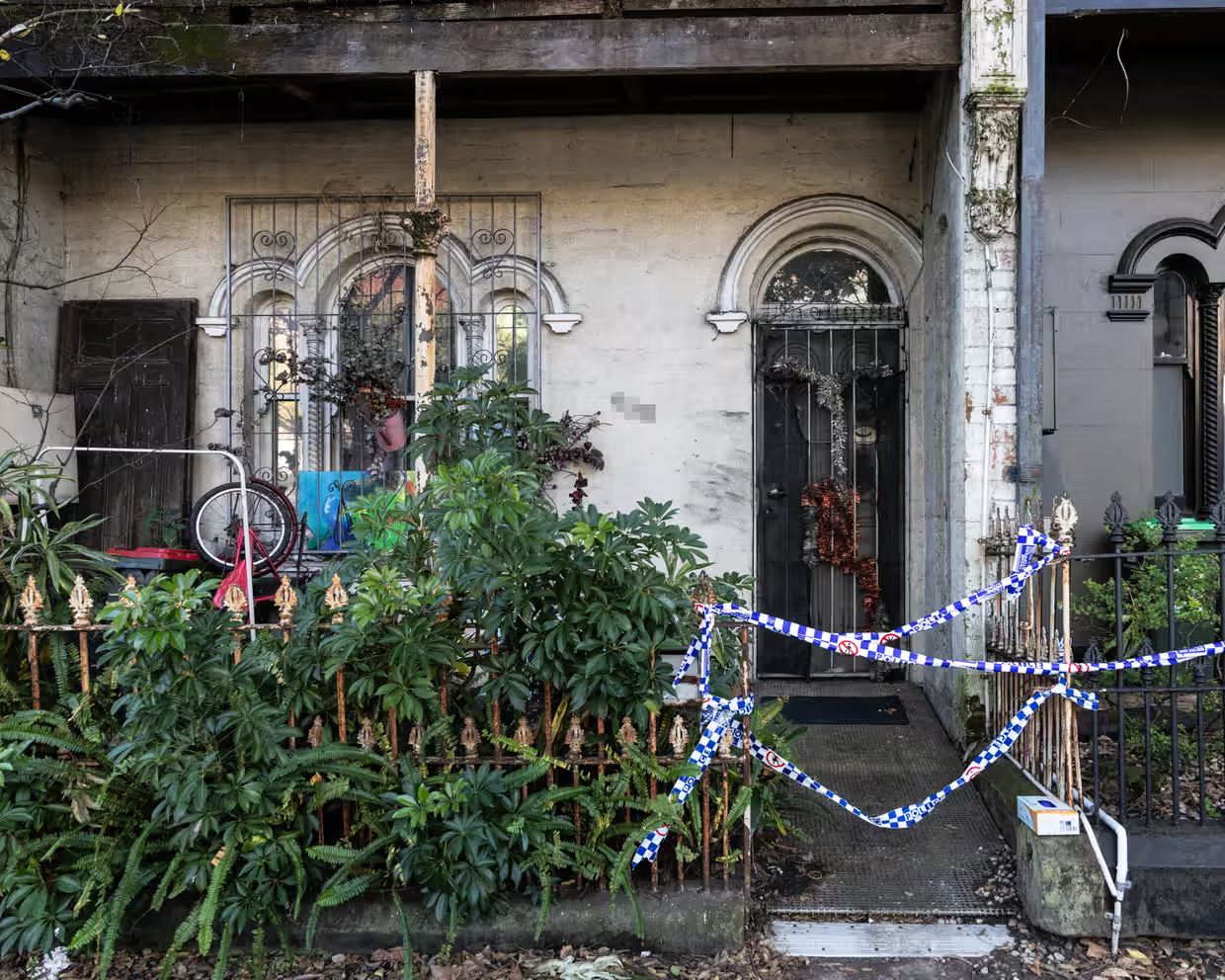
According to a Guardian report, two men with intellectual disabilities were found dead in a dilapidated Sydney home, potentially undiscovered for weeks, despite living with a roommate. Their deaths are still under investigation, but the situation has prompted wider reflection on how vulnerability is recognised and supported in everyday life, and how quickly changes in someone’s wellbeing can go unnoticed.
This is not about assigning blame. It is about a shared and uncomfortable reality: even in supported environments, signals can be missed, and situations can change faster than those around them are able to respond.
At Solo Alert, stories like this are taken seriously. They highlight the importance of simple, lightweight ways to stay connected to routine check-ins — especially where independence and vulnerability intersect.
In situations where someone’s usual pattern of communication or activity changes, even a small prompt to check in can help ensure that concern is raised earlier, and the right people are notified sooner. It is not a replacement for care, support services, or human attention. It is simply an additional layer that can sit alongside them.
I live alone — how long would it take before someone noticed if I had an accident, emergency, or even if I died unexpectedly?
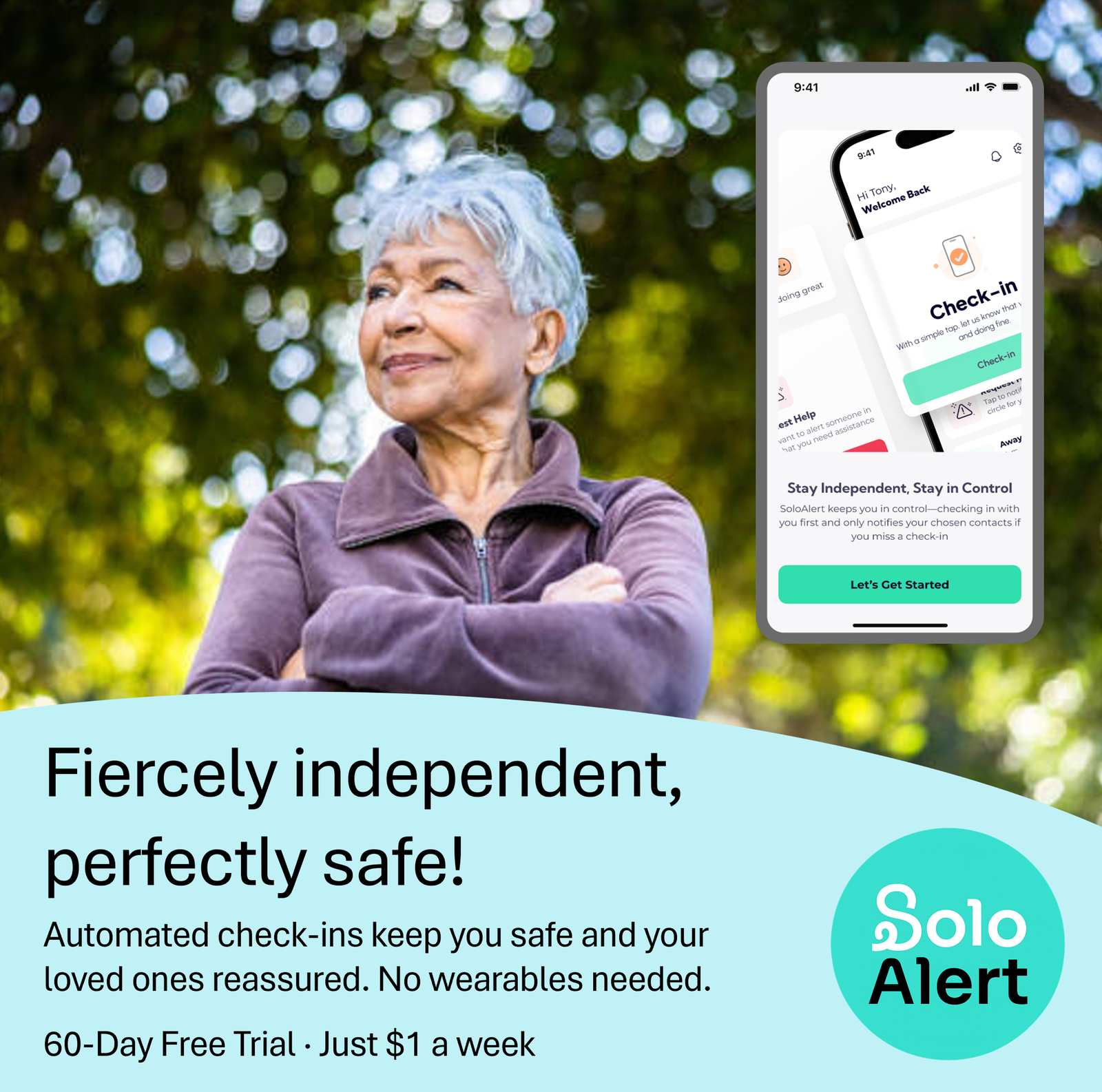
Solo Alert is a simple check-in app designed for people who live independently or anyone who wants reassurance that someone will notice if they don’t check in.
You choose your check-in times to fit your routine. If you check in, nothing happens. If you miss one, your trusted contacts are quietly notified. No tracking. No monitoring. Just a lightweight way to help ensure someone becomes aware when something may be wrong.
Solo Alert was created after a deeply personal experience. Two of our founder’s friends passed away — one was not discovered for days, and another collapsed alone and slipped into a coma. That experience shaped a simple idea: sometimes the hardest part is not what happens, but how long it takes for someone to know.
Solo Alert isn’t about replacing care, family, or support networks. It is about adding a quiet layer of awareness for people who may not always have immediate visibility if something changes.
A simple way to stay supported while living independently
Solo Alert is a simple check-in app designed for people who live alone or anyone who wants reassurance that someone will notice if they don’t check in.
You choose your check-in times. If you check in, nothing happens. If you miss one, your trusted contacts are notified.
A simple way to stay supported while living independently
Solo Alert is a simple check-in app designed for people who live alone or anyone who wants reassurance that someone will notice if they don’t check in.
You choose your check-in times. If you check in, nothing happens. If you miss one, your trusted contacts are notified.
Learn more
👉 60 day free trial
👉 Only $49 per year, or $4.49 per month — that’s less than $1 a week
👉 Find out more here: https://solo-alert.com
👉 Download from the App Store: https://apps.apple.com/au/app/solo-alert/id6747101888
👉 Android is coming soon — join the waitlist here: https://solo-alert.com/waitlist
#SoloAlert #SoloButNeverAlone #WhosGotYourBack #CheckInApp #StaySafe #IndependentLiving